P eople have been collecting and using herbs for healing for tens of thousands of years – probably since our prehistoric ancestors began noticing that certain plants relieved pain, aided wound healing, or improved digestion. Archaeological finds from caves in Iraq date back to prehistoric times, the power of herbs was used by the ancient Egyptians, hundreds of plants and their effects were described by Ayurveda and traditional Chinese medicine. Thus, it can be said that the use of herbs is as old as human culture itself – it is one of the oldest forms of medicine. Folk medicine has survived to this day, and many herbal remedies continue to be researched, and their active ingredients are also used in modern pharmacy.
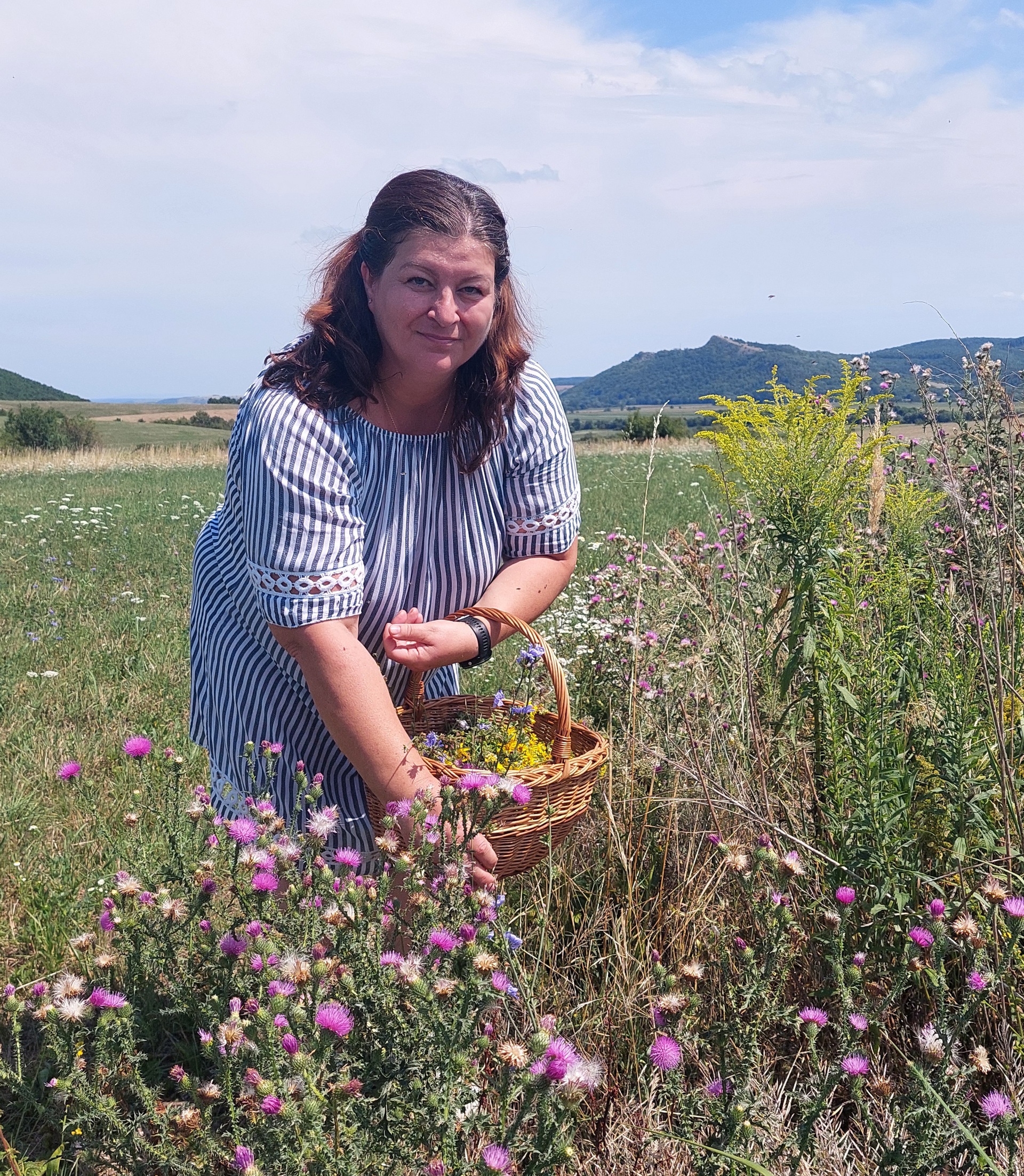
A few years ago, Anita Flašková Hozová, who works at the QMS Director's Office in the field of management systems, also succumbed to the charm of herbs.
She exchanged cakes for herbs

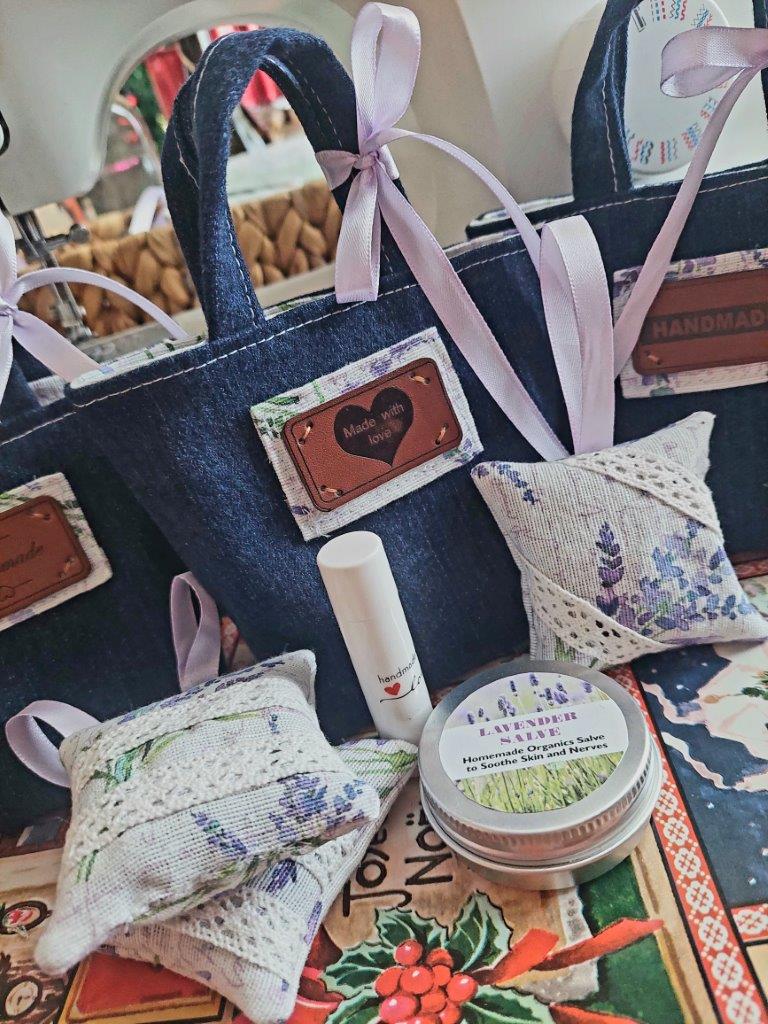
He is always looking for new opportunities to create because he is a creative person. In fact, she also made cakes because she enjoyed not baking them, but decorating them. She likes to crochet, she has attended a few pottery workshops, courses in making Christmas decorations... He considers it not only an interesting way to fill his free time, but also an opportunity to clear his head. "Although I live in the city, we have two cottages, one in Hungary and the other in Háj. In addition, I like hiking and I like to spend my time walking in nature. I knew herbs before, at least the basic ones. When I started to focus more intensively on this topic, I found out that almost every plant, including those we consider weeds, is medicinal, from nettle, goat's foot to lavender..." And it was this moment that connects man and nature that fascinated her and led her to herbs: "Collecting medicinal herbs has become not only a hobby for me, but also a way to slow down, recharge my energy and create something of my own, which will not only please, but also help."
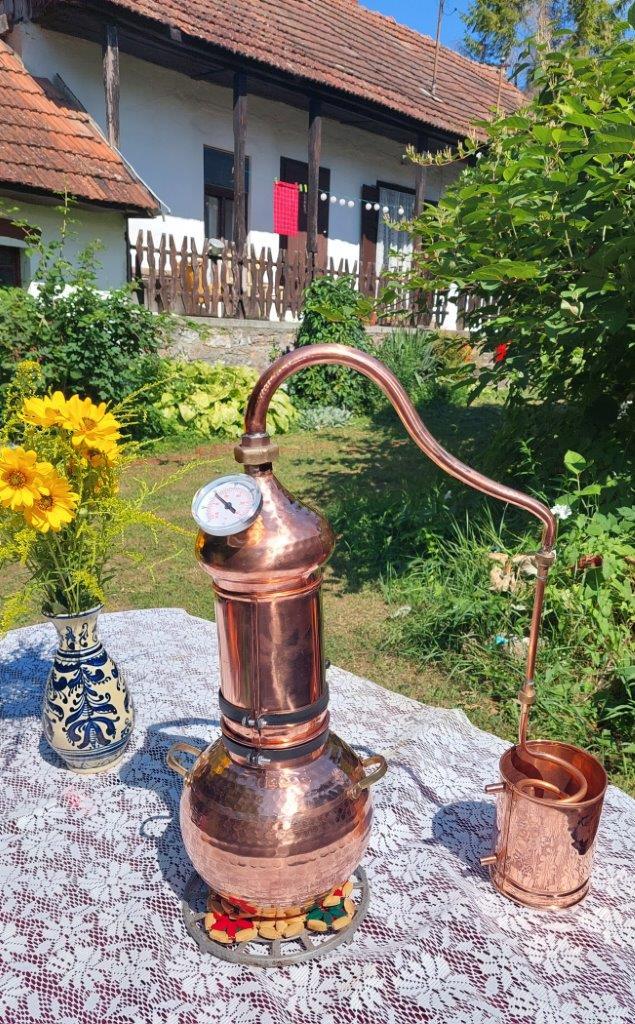
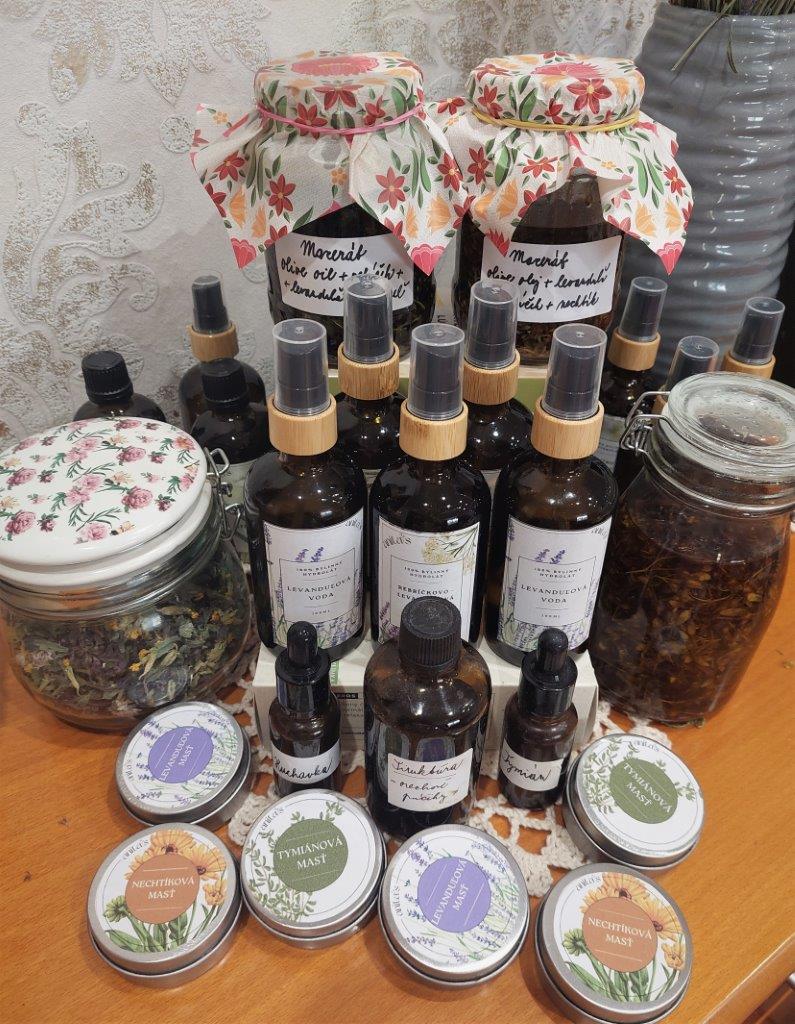
He also produces various other products, including creams, eau de toilette, ointments, teas: "I ordered a water-steam distillation set from Portugal, not a large, three-liter one, for home use for myself, for family, friends. It cost up to 300 euros. Now I make hydrolates myself."
It's almost like alchemy
What does a herbalist do in winter
I t's fine in spring and summer. Take a walk in nature, pick herbs... By the way, today herbalists have an easier life, because mobile apps help them recognize them... But what does a herbalist do in winter?
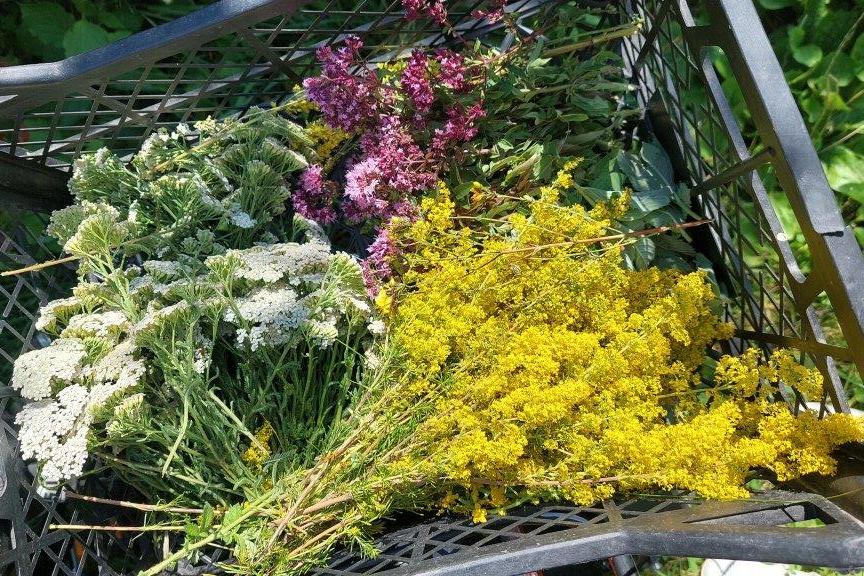
Can herbs also be harmful? "They can, if used incorrectly," says Anita, adding: "For example, some may not be combined with certain medications because they can affect blood clotting. Sometimes it is better to consult a doctor. When you're taking blood pressure medication, you're not going to use an herb that increases blood pressure."
Will the hobby become a business one day?
For now, Anita Flašková Hozová makes ointments, hydrolates, teas and tinctures only for her family, friends and acquaintances. But – it looks like a pretty interesting business plan for retirement. Whether? "That's what they told me about cakes. When I retire, I will definitely move to a cottage and devote myself to it. However, there is a lot to learn. You need to get to know each herb, learn how and what to use it for. I don't want to go too fast. Rather, I want to add something new every year. What also attracts me is that it is a creative process that combines the wisdom of ancestors and the power of nature. You pick the herbs yourself, dry them, combine them... I have a clever daughter who designs product labels for me, she even came up with a logo for me. She has already offered to make me a website. I have an economics school, but I'm more drawn to the natural sciences. I will create, produce, but the sale must be taken over by someone else. Maybe I'll gradually try something through social networks, for now just like that, in a small way."
Photo: archive of Anita Flašková Hozová
Did you know?
One of the legendary figures of Slovak herbal history is the monk Cyprian. He lived in the 18th century in the Red Monastery near the Dunajec River, in the Pieniny Mountains. He was a Camaldolese monk who was dedicated to collecting and growing medicinal plants, distilling tinctures and making ointments. In the Red Monastery today there is an exhibition about the monk Cyprian, including a herb garden with plants that were used in his time (mint, sage, alchemic, St. John's wort).